Why pH Levels Matter for Healthy Skin – Dr. Shivani
Understanding Skin pH
The term pH stands for “potential of hydrogen, which indicates how acidic or alkaline a substance is based on the concentration of hydrogen ions. Water, made of two hydrogen atoms and one oxygen, can be either neutral, acidic, or basic depending on its hydrogen ion activity.
- A pH level below 7 indicates an acidic solution.
- A pH level above 7 indicates a basic or alkaline solution.
- Neutral pH is 7.
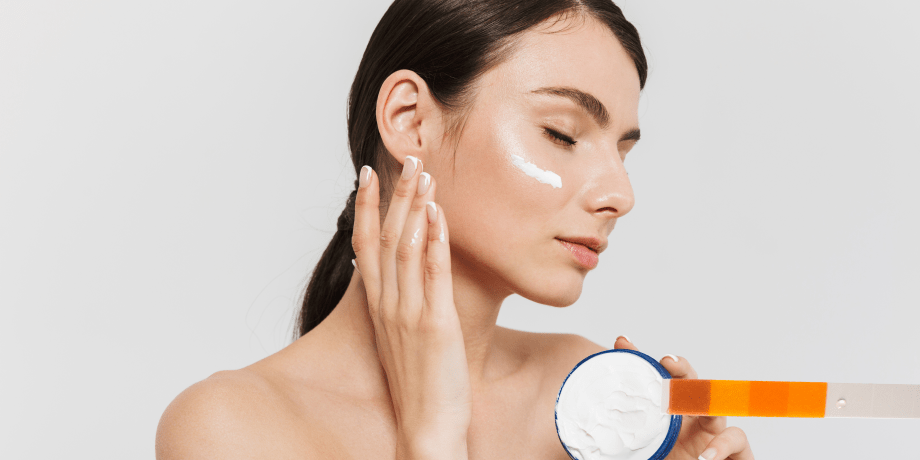
When it comes to our skin, its natural pH lies on the acidic side, typically between 4 and 5. This slight acidity is vital for protecting the body from external threats. Hence, using skincare products that align with this natural pH level is essential. For example, ADHYAY Shata Dhauta Ghrita Skin Repair Emollient, made from 100 times washed cow ghee, has a balanced pH of 5.5, making it ideal for skin health.

The Role of the Acid Mantle
The acid mantle is a protective layer formed on the skin’s surface—specifically on the stratum corneum, the outermost layer. This slightly acidic film serves several crucial functions:
- Acts as a barrier against harmful microorganisms
- Helps keep the outer skin layer structurally intact
- Supports the skin’s antimicrobial defense system
Is Skin pH Different in Children?
Yes, there are differences based on age. Newborn babies generally have a higher (more alkaline) skin pH than adults. As they grow, their skin gradually becomes more acidic, thanks to the development of the acid mantle. This shift strengthens the skin’s defense mechanisms over time.
Areas of the Skin with Higher pH Levels
Not all areas of the skin have the same pH. Some specific regions tend to have a higher pH, making them more prone to infections and irritation. These include:
- The spaces between fingers and toes
- Intertriginous areas like the armpits (axilla), groin, under the breasts, and behind the ears
These locations lack the same acidic barrier found in other parts of the body, increasing their vulnerability to fungal infections and bacterial colonization. For instance, the higher pH in the armpits may promote growth of odor-causing bacteria like Propionibacterium and Staphylococcus. Some deodorants include citrates to lower the skin pH in these areas and control bacterial growth.
When Does the Body Have a Higher pH?
In cases of chronic wounds, the affected skin often has an alkaline pH, which can hinder healing and increase susceptibility to bacterial infections.
Factors That Influence Skin pH
Several elements can affect your skin’s natural pH:
- Age: Both newborns and the elderly may experience elevated skin pH, weakening their natural skin barrier.
- Skin tone: Some studies suggest lighter skin tones may have a slightly higher pH than darker tones, though the difference isn’t significant.
- Frequent washing: Overuse of soaps, detergents, or water can disrupt the skin’s natural acidity, making it more prone to dryness and infection.
That’s why it’s important to limit excessive washing and choose products formulated to support the skin’s natural pH.
References
- Kuo SH, Shen CJ, Shen CF, Cheng CM. Role of pH Value in Clinically Relevant Diagnosis. Diagnostics (Basel). 2020;10(2):107. doi:10.3390/diagnostics10020107
- Ali, S. M., & Yosipovitch, G. (2013). Skin pH: From Basic Science to Basic Skin Care. Acta Dermato-Venereologica, 93(3), 261–267. https://doi.org/10.2340/00015555-1531